
September 25, 2023

The Irreplaceable Role of Pakistani Women in the Workplace

In today’s rapidly evolving world, gender diversity in the workplace is no longer just a matter of equality and social justice; it has become a strategic imperative for nations seeking economic prosperity. Pakistan, like many other countries, is awakening to the realization that women are an irreplaceable asset in the workforce. A gender-balanced workforce not only fosters inclusivity but also brings forth numerous tangible benefits for the economy. This article explores why women are indispensable in the workplace and how achieving gender balance can drive economic growth in Pakistan. Image Source: arabnews.pk Diverse Perspectives Fuel Innovation One of the most compelling reasons for gender diversity in the workplace is the different perspectives and experiences women bring to the table. Diverse teams are more likely to generate innovative ideas and solutions, as they draw from a broader range of viewpoints and problem-solving approaches. In Pakistan, fostering a culture of inclusivity can lead to groundbreaking innovations in industries ranging from technology to healthcare. Enhanced Productivity Studies consistently show that gender-balanced teams are more productive. Women often bring strong organizational skills, attention to detail, and effective communication to the workplace. By harnessing these talents, companies in Pakistan can boost their productivity levels, improve decision-making, and ultimately increase their competitiveness in the global market. Expanded Talent Pool Ignoring half of the population when recruiting talent is a self-imposed limitation. By embracing gender diversity, Pakistan can tap into a larger talent pool, harnessing the skills and talents of its women workforce. This not only addresses the issue of unemployment but also ensures that the most qualified individuals are contributing to the country’s economic growth. Consumer Perspective Women play a crucial role in shaping consumer behavior and preferences. Their insights into market trends and consumer needs are invaluable for businesses seeking to create products and services that resonate with the target audience. A gender-balanced workforce allows companies in Pakistan to connect with a broader customer base and make informed business decisions. Image Source: istock.com Corporate Reputation and Social Responsibility Companies that actively promote gender diversity and equality often enjoy enhanced corporate reputations. In a world where consumers increasingly value socially responsible businesses, this can lead to increased customer loyalty and trust. Moreover, gender diversity aligns with global sustainability goals and can positively impact Pakistan’s image on the international stage. Economic Growth and Prosperity Achieving gender balance in the workforce has the potential to significantly boost Pakistan’s economy. According to research by McKinsey & Company, advancing gender equality in Pakistan’s labor market could add over $200 billion to its GDP by 2025. This economic growth stems from increased labor force participation, higher productivity, and reduced gender-based income inequality. Closing the Gender Pay Gap Gender balance in the workplace can help close the gender pay gap, ensuring that women receive equal pay for equal work. When women are paid fairly, their economic empowerment increases, leading to higher spending and savings rates. This, in turn, drives economic growth as it stimulates consumption and investment in Pakistan. Legal and Ethical Imperative Pakistan, like many other countries, has recognized the importance of gender equality and has enacted laws and policies to promote it. Achieving gender balance in the workforce is not just a matter of ethics but also a legal requirement. Companies that fail to embrace diversity may face legal repercussions, including fines and damaged reputations. Image Source:https: hilal.gov.pk Women are an irreplaceable asset to the workplace, and their inclusion is not just a matter of social justice but a strategic necessity for Pakistan’s economic growth. Achieving gender balance in the workforce fosters innovation, enhances productivity, and expands the talent pool. Moreover, it improves corporate reputation, aligns with global sustainability goals, and contributes significantly to economic prosperity. By actively promoting gender diversity, Pakistan can harness the full potential of its workforce and pave the way for a more equitable and prosperous future. It is not merely a choice but an imperative for a thriving economy and a brighter tomorrow.

The Irreplaceable Role of Pakistani Women in the Workplace Read More »
Menstrual Health and Hygiene, Notes for Women Experiencing Periods

Menstruation is a natural process that occurs after 28-35 days duration every month. This process occurs because of the cyclical production of hormones which promotes the growth of a mature follicle that releases an egg which if fertilized results in conception. If the egg is not fertilized, the endometrium sheds and results in menstrual flow. This is a monthly process that happens to all women. During menstruation adequate hygiene should be maintained. Menstrual health and hygiene are fundamental for the wellbeing of every female. It empowers women to be confident and at the forefront of their daily activities. According to the World Bank, around 500 million women worldwide lack access to basic menstrual products. An unsatisfactory menstrual hygiene predisposes the body to infections, which is why it is considered very important to follow the general protocol. Image Source: safeamna.org Period poverty in Pakistan  Period poverty refers to social or cultural barriers that prevent women to freely access menstrual products. Lack of access to these products affects the physical and emotional tendencies of females and hurdles to their potential of performing their best. Another important factor that prevents women to attain good menstrual hygiene and access menstrual products is due to the financial constraints and tax on these products which makes it expensive and out of reach for them. Hence the unmet menstrual needs of women is an important issue that must be tactfully handled by the concerned authorities to aid the access of these products to all. Lack of basic menstrual wellness Around 80 percent of girls discover about menstruation after getting their first period. This lack of knowledge predisposes them to hesitancy and emotional discomfort. Having the basic knowledge about the process of menstruation and menstrual products allows young girls to be mentally prepared for the time they experience it. It also protects them from social embarrassments. Menstrual health management (MHM) To prevent the occurrence of disease and infection the WHO has introduced guidelines that highlight some precautions. Menstrual health management (MHM) focuses on women and adolescent girls to use an absorbable material that can be changed in privacy with the availability of water soap and proper sanitation. Maintain the cleanliness and disposing the used menstrual product wrapped in toilet paper or paper bag in a bin instead of flushing it down the toilet. Previously cloth was most popularly used by women during menstruation but the use of newer menstrual products like pads, tampons, menstrual cups and period underwear is preferred now. All these products are advised to be changed within 4-8 hours to prevent overflow. The menstrual cups are reusable and are to be washed properly to maintain hygiene. Image Source: menstrupedia.com Important steps to maintain good hygiene Use of clean water – Rinsing of the vulva with clean water with the direction being from vulva to the anus. This is important in preventing the bacteria to reach from the anus to the vulva. Changing the menstrual products regularly – It is advised to change the menstrual products within 4 to 8 hours to prevent overflow but more importantly to prevent toxic shock syndrome. Toxic shock syndrome is a life-threatening condition which is caused by bacteria entering the body and releasing toxins which are harmful for the body. This is highly associated with the use of tampons in young girls. Use of good quality non scented products – Scented products can irritate the skin and lead to rash. Hence, it is better to use good quality products which are not scented. Bathing and cleaning – In some regions menstruation is considered impure and dirty. There are many misconceptions and people believe that bathing can have negative effects on health. This is false as there is no data that can show negative effects of bathing on health. However, bathing and maintaining cleanliness is good for health and prevents the development of possible infections. Image Source: Freepik.com Types of menstrual products and their availability There are many types of menstrual products available in the market. The safe menstrual products to maintain good hygiene are sanitary pads, tampons and menstrual cups. The choice of the perfect menstrual product depends on certain factors that vary amongst women. These factors include the level of activity, cost, ease of change and the amount of flow. The most used product is sanitary pads followed by tampons. Sanitary pads are the most popular amongst menstrual products. These are highly absorbent and made from natural and synthetic fibers majorly cotton. These need to be changed every 6-8 hours to prevent overflow and infection. Tampons are also commonly used. These are also made from natural and synthetic fibers and are inserted in the vagina. These may be a little difficult and uncomfortable for some women to insert hence pads are superiorly used. Tampons must be changed 4-6 hours to prevent the occurrence of toxic shock syndrome (TTS). This is a rare but life-threatening condition and may present with symptoms like fever, nausea, vomiting, muscle cramps and rashes. Menstrual cups have recently become popular and in use. These are washable and pocket friendly. Like tampons, a menstrual cup is inserted in the vagina and where they collect menstrual blood. The menstrual cup can be washed and changed till 12 hours which is greater duration than sanitary pads and tampons, but this again depends on the amount of flow. Other less popular options are menstrual discs and period underwear. Menstrual disc is placed in the vagina at the opening of cervix. The period underwear is made up of poly filaments that absorb the period flow and prevents leakage. It can be washed and reused for 2 years. Hence, the choice of menstrual product depends on the amount of flow, cost and sustainability. This article concludes the importance of menstrual hygiene and how it is significant to prevent the occurrence of infectious disease that may be life threatening for women. Take away points Menstruation is a natural process that occurs in all females and normally is at the end of 28–35-day cycle. There are

Menstrual Health and Hygiene, Notes for Women Experiencing Periods Read More »

To Be Aware of PCOS, its Symptoms and Possible Treatments.

What is PCOS? Polycystic Ovarian Syndrome (PCOS) is a hormonal disorder found in females of reproductive age. It is predominated by a triad of presentation which includes hyperandrogenism, hirsutism and polycystic ovaries. These females experience anovulatory or missed cycles and often present with infertility. This disorder affects the ovaries which produce estrogen and progesterone. The cyclical production of these hormones enables the ovaries to release an egg by the process of ovulation. The egg, if fertilized by the sperm results in conception. Hence, the process of ovulation is the key to fertility which is impaired in females suffering from PCOS. What causes it? The exact cause of PCOS is not determined but there are some important factors that are considered to play a vital role in the pathogenesis of the disease. Insulin resistance, family history, increased level of androgens and inflammation are considered to be important factors. Image Source: The Vagenda Insulin resistance This refers to the decreased effect of insulin on peripheral tissues and one cause of this is obesity. Insulin resistance causes increased production of androgens (male hormones) from the ovaries. Androgens are normally secreted by the ovaries and adrenal glands but cause clinical symptoms when produced in excess. These include hirsutism and acne. When there is persistent insulin resistance there is a great chance of developing type 2 diabetes in the future. Lifestyle Sedentary lifestyle is an important contributor in causing PCOS. Eating an improper diet focused on carbs and calories with lack of exercise and energy consuming tasks leads to weight gain which directly leads to hormonal disturbance and PCOS. Focusing on a healthy diet and daily exercise is the first line of treatment for this disease which further signifies its importance. Family history Women with PCOS have 50% chances of having an immediate female relative with the same disease. Genes and family history have an important role in the development of this disease. Hormones The two most important hormones involved in the development of PCOS are androgens and insulin. These hormones are normally produced in humans in a regulated amount but when produced in excess, they prevent ovulation and disrupt menstrual cycle. Obesity increases the production of these hormones hence an important factor in causing this disease. Image Source: tlcfertility.com How do patients present? PCOS can be completely asymptomatic in some patients and may come to attention when the patient has irregular cycles or difficulty with getting pregnant. The most common presenting symptoms are, Irregular periods This refers to the absence of regular periods or missed cycles. Some women have less than eight cycles or less per year. Hair growth About 70% of women with PCOS have excessive hair growth on their face and other regions of body. This is because of high levels of androgen in the body. This excessive hair growth is called hirsutism. Acne The effect of elevated androgens also results in oily skin and acne. Weight gain Insulin resistance is a major cause of the resulting weight gain that occurs in patients with PCOS. Infertility As explained earlier, whenever the process of ovulation does not occur normally and the egg is not released, fertilization cannot occur. Depression and anxiety Depression and anxiety are common symptoms of PCOS. It is mostly estimated that this is due to hormonal changes, but further research is required. Some women have also been reported to suffer from eating disorders and all these side effects must be assessed by doctors to provide adequate help. Sleep troubles Women with PCOS tend to be obese and are more likely to have sleep apnea which causes breathlessness in sleep. This results in disturbed sleep and fatigue which aggravates bad mood. How is it diagnosed? PCOS is a clinical disease and is best diagnosed based on history and examination. A thorough history about menstrual cycle, weight gain and skin manifestations like excess hair growth on the body, acne and alopecia. The doctor may inquire about the family history as there is a close genetic relation observed. Other than this, a pelvic ultrasound to see for cysts in the ovaries is also done for diagnosis. Rotterdam criteria is used to diagnose this disease and is based on three factors Androgen excess- This can be measured and checked via labs and can be appreciated clinically in the form of acne and hirsutism. Ovulatory dysfunction- This can be assessed by the regularity of periods and a mid-cycle check of progesterone. Polycystic ovaries- These are cysts caused by incomplete ovulation when there is a failure of the mature follicle to release an egg and it forms a cyst. It is very important to rule out other important causes of such symptoms like adrenal and thyroid disorders. For this, blood tests are done to be certain about the cause. Image Source: Unknown Treatment of PCOS PCOS does not have a definitive treatment, but the symptoms can be managed. There is a range of symptoms that are presented and can be treated according to severity. Lifestyle changes The most initial and important step in treating PCOS is to focus on lifestyle changes. These changes are focused on diet and exercise. In overweight females, weight loss can improve the overall outcome of the disease and may prevent from the future complications of this disease. The ideal BMI is between 18.5-24.5. The diet must be focused on whole foods and fresh protein. Processed food intake increases weight gain and must be avoided overall. Medication Different medications can be helpful in treating the symptoms. Irregular menstrual cycle – Oral contraceptives are best used for making the menstrual cycle regular. These are taken from the first day of the cycle for 21 days (about 3 weeks) with a seven-day pill-free interval. The use of OCPs provides an added effect of prevention of endometrial cancer with regular cycles every month. Infertility – Women with PCOS who are trying to conceive can use clomiphene which induces ovulation and promotes fertility. It is a commonly used drug and may be the first recommended drug for

To Be Aware of PCOS, its Symptoms and Possible Treatments. Read More »

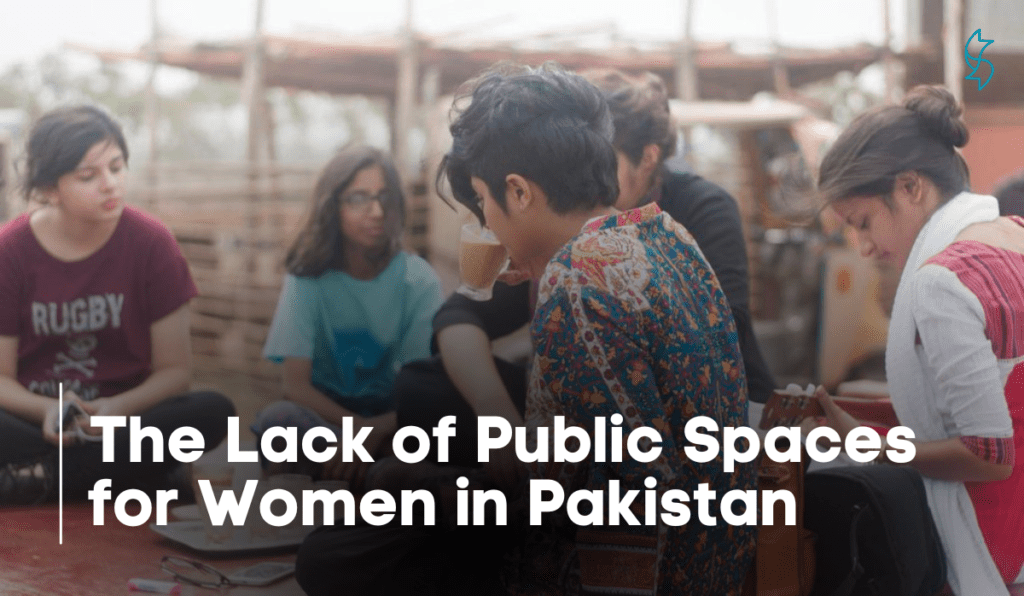
The Lack of Public Spaces for Women in Pakistan

Public spaces are vital for the social, cultural, and economic development of any society. However, in Pakistan, women face significant challenges when it comes to accessing and utilizing public spaces. The lack of safe and inclusive environments limits their participation, hinders their mobility, and perpetuates gender inequalities. Gendered Urban Spaces In Pakistani society, gender roles and cultural norms shape the perception of public spaces. Traditional notions of female modesty and protection often restrict women’s mobility outside the home. Streets, parks, markets, and transportation systems are predominantly male-dominated spaces, creating a hostile environment for women. The absence of gender-responsive urban planning exacerbates these challenges, with inadequate lighting, limited security, and insufficient facilities further discouraging women’s presence in public areas. Image Source: Freepik.com Limited Mobility and Economic Opportunities The lack of public spaces for women restricts their ability to move freely and access essential services, such as healthcare, education, and employment. Without safe and reliable transportation options, women face difficulties in commuting, limiting their participation in economic activities and hindering their professional growth. This exclusion from public spaces perpetuates gender disparities and contributes to the feminization of poverty in Pakistan. Safety Concerns and Harassment One of the primary obstacles for women in public spaces is the prevailing issue of harassment. Street harassment, verbal abuse, and sexual assault have become distressingly common, deterring women from venturing out alone or at certain times of the day. The lack of proper lighting, inadequate law enforcement, and social stigmatization surrounding reporting incidents all contribute to an unsafe environment for women. These safety concerns reinforce the notion that public spaces are not designed with women’s needs in mind, further marginalizing them. Promoting Inclusive Public Spaces Addressing the lack of public spaces for women requires a multifaceted approach. First and foremost, urban planning and infrastructure development should prioritize gender sensitivity, ensuring safe and accessible spaces for women. This includes well-lit areas, properly maintained walkways, public toilets, and the presence of security personnel. Public awareness campaigns and educational initiatives should also challenge societal norms that restrict women’s mobility and promote respect and tolerance. Image Source: Unknown The dearth of public spaces for women in Pakistan perpetuates gender inequalities and hinders their socio-economic progress. By recognizing the importance of inclusive public spaces and adopting gender-responsive policies, Pakistan can create an environment that empowers women, enhances their mobility, and allows them to participate fully in public life, fostering a more equitable and prosperous society. In Pakistan, a concerning gender disparity persists in law firms, business leadership, and mental health professions. Women’s underrepresentation limits diverse perspectives, impedes gender equality, and curtails the potential for more inclusive and comprehensive solutions in these critical sectors. Addressing this imbalance is crucial for societal progress and women’s empowerment.

The Lack of Public Spaces for Women in Pakistan Read More »

Book a Demo Interview

Demo Interview RS. 3570 4200
Practice, get feedback, and ace your next interview.

Submit your CV

Resume Review RS. 2380 2800
Get expert eyes on your CV and land more interviews.

After submission, you’ll get an email for payment and confirmation.